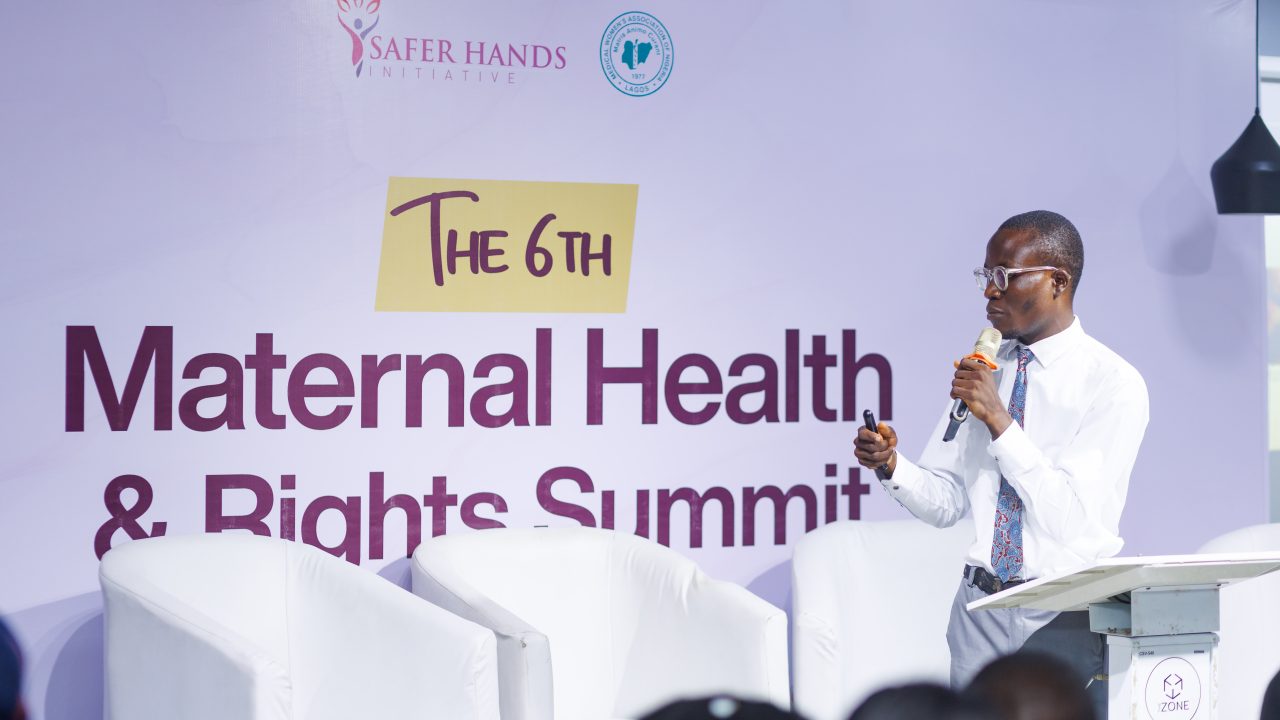
For one day in June, a cross-section of Lagos’s maternal health world from policymakers to private-sector innovators to clinicians, community birth attendants, and the women whose lives sit at the centre of the conversation gathered under one roof for the sixth edition of the SHI Maternal Health & Rights Summit.
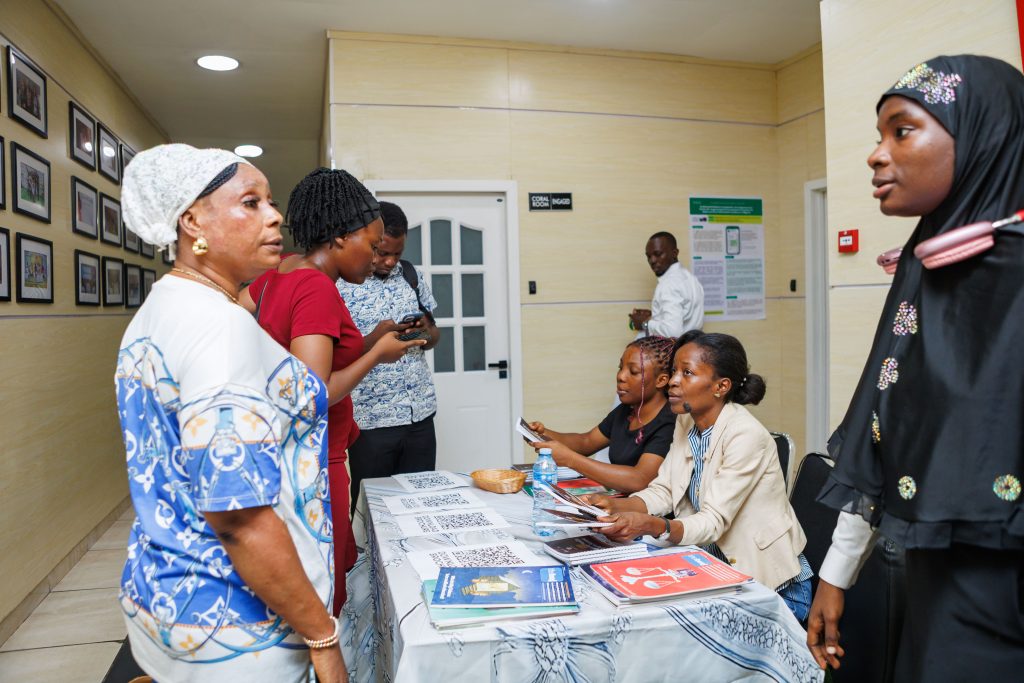
This summit has grown immensely from a niche advocacy gathering into one of the country’s more closely watched maternal health convenings, drawing over 250 participants and exhibitors, and more than 50 sponsor and partner organizations this year alone.
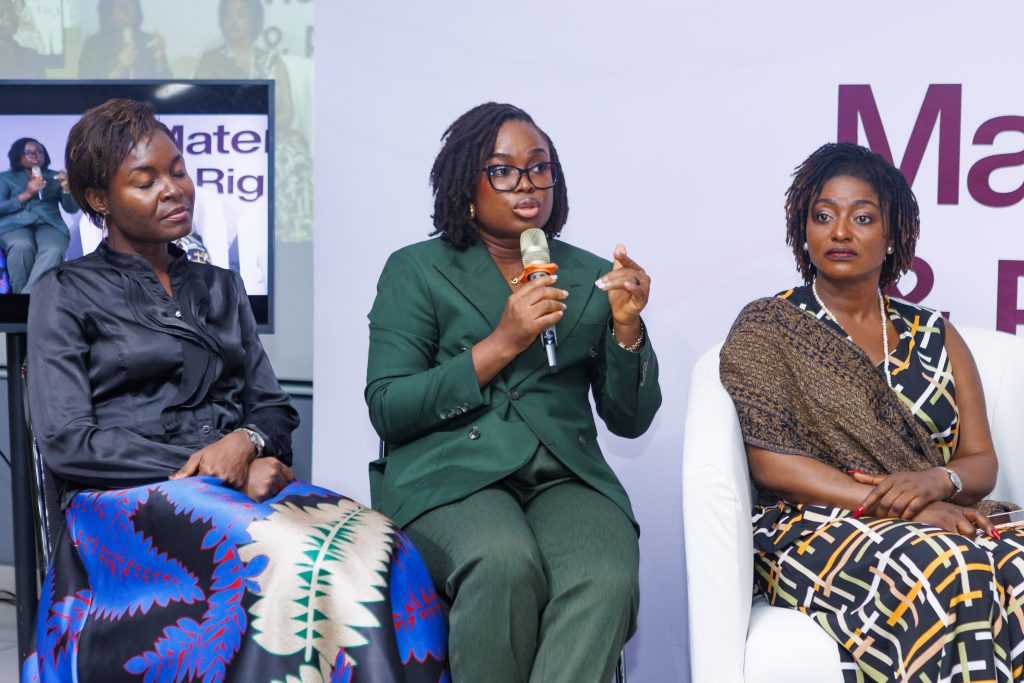
The scale reflected the ambition of the day: three plenary sessions, sixteen expert discussants, three thematic speakers, more than twenty project and research presentations, and an audience that included over ten dignitaries, special guests, and thought leaders. Media outlets covered proceedings, underlining the summit’s growing profile as a platform where policy, private enterprise, public establishments and lived experience are made to speak to one another in the same room.
A Summit of Many Voices
What distinguished this year’s summit was less any single announcement than the range of vantage points it assembled. Across the plenaries and panels, the conversation moved deliberately between attendees: from the political – policymakers and public-health leaders weighing in on the systemic and regulatory dimensions of maternal care in Nigeria – to the private sector, where founders and operators spoke to what innovation and enterprise can realistically contribute to improving maternal care in Nigeria. Beyond this was the inclusion of traditional and community-based birth attendants. Alongside these were the individual and deeply personal accounts: women speaking not as delegates but as patients, mothers and advocates, grounding the day’s policy language in lived experience.
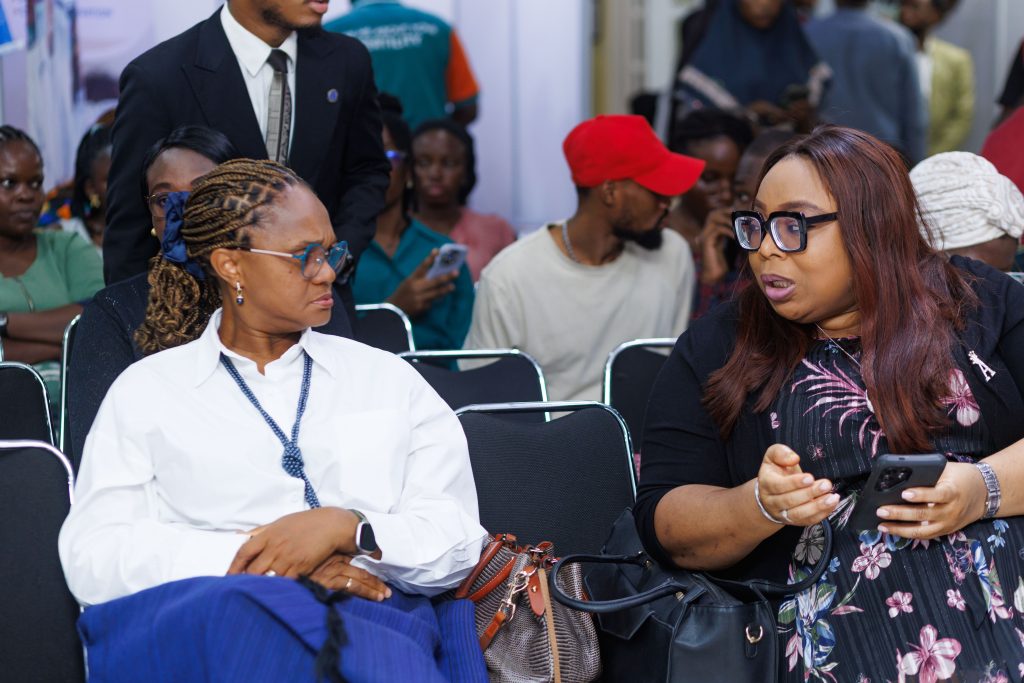
That triangulation between government, women and the alternative healthcare channels people explore was a reoccurring theme throughout the day. Setting up what became one of the summit’s more pointed conversations: a sit-down interview with the founder of Preggify – Dr Ifunanya Lilian Igweze, a Nigerian maternal-health technology platform, on the gap between having access to healthcare and actually understanding it.
The Interview: Closing the Literacy Gap
Away from the panel stage, the founder of Preggify sat down for a one-on-one interview built around a single, deceptively simple question: With all the digital innovation now available in maternal health, how much of it is actually reaching the women who need it most; particularly those for whom “literacy” ends at the classroom door but does not extend into a hospital consulting room?
Academic literacy does not translate to health literacy.
The founder opened with a story from Preggify’s own client base: a former client in the United Kingdom, whom the platform had supported through a previous pregnancy, had recently referred a friend with one specific, insistent request that the medical information given to her be broken down to “the lowest of the lowest language possible.”

That request, the founder argued, gets at a problem the maternal-health-tech sector in Nigeria has been slow to confront. Several pregnancy apps already circulate among Nigerian women, most, in the founder’s assessment, were built to a level of health literacy and cultural familiarity that “we are not there yet” for the average Nigerian user. That disconnect, the founder suggested, is precisely why Nigerians in the diaspora often bypass what’s locally available and instead route their care questions back home, seeking someone to interpret a lab result or explain a diagnosis in terms that actually and fully understand.
The underlying point was blunt: formal education is not the same thing as health literacy, and building health tools without reckoning with that distinction only reproduces the gap.
An A4 sheet, a kettle, and a bucket of water
To illustrate what closing that gap can look like in practice, the founder recalled a patient from earlier years in private practice: a mother who repeatedly brought in a baby suffering recurring vomiting and diarrhoea, roughly once a month, with no improvement despite previous consultations. Given the chance to attend to the case personally, the founder sat the mother down and, rather than repeating clinical instructions, drew out the baby’s feeding and hygiene routine step by step on plain paper – a cup, a spoon, a bucket of water, a kettle, a fire; with arrows tracing exactly how food should be prepared, served and the utensils cleaned. Months later, the same mother returned to the hospital; this time for a straightforward bout of fever, not the recurring vomiting and diarrhea that had brought her in before.
The lesson the founder drew from the encounter was not about the specific hygiene fix but about method: understanding had only taken hold once the information was scaled down to the mother’s own literacy level, not the clinician’s.
From “access” to “quality”
That anecdote fed into a broader argument about how Nigeria’s maternal-health conversation needs to be reframed. In cities like Lagos, the founder argued, the barrier is no longer whether a hospital exists nearby; in most urban neighbourhoods, women can point to two, three, even four facilities within reach. The real question, the founder said, is what patients get once they walk through the door.
“When we talk about access, what are the women accessing – access to whatever you have, or access to quality care? In urban areas, the discussion has to shift from access to care, to quality care.”
The founder pointed to a familiar exchange among Nigerian women as evidence of this shift already underway informally: after a hospital visit, the follow-up question is rarely whether care was received at all, but whether a doctor was actually seen, and what the quality of that encounter really was.
What digital tools can and cannot do
Pressed on where technology fits into closing this literacy and quality gap, the founder was careful to position digital tools as a bridge rather than a solution in themselves; a way of extending scarce clinical capacity rather than replacing it. Few Nigerian hospitals, she noted, have the staff to run consistent antenatal education classes, and even where such classes exist, working women with long commutes and business commitments often cannot attend in person.
Preggify’s response has been to redesign around how women’s days actually run rather than around clinic hours. Antenatal classes are held at night and delivered as audio, so that women returning late from work or already resting at home can listen live or catch up on a recording later – with the ability to still ask questions and get answers even after. Free to every registered user, in-app, the platform also offers what the founder called a “Pregnancy Academy”. Where content is segmented by first, second and third trimester and by topics such as nutrition, and reviewed by doctors before publication.
A third design choice concerned how information is packaged, not just where it lives. Many pregnancy apps use fruit-sized comparisons to show a baby’s weekly growth, an illustration the founder said tends to be treated by users as a novelty to scroll past. Preggify uses the same fruit-based device as an entry point, but clicking through leads not to a cute graphic but to substantive weekly content. This includes what the baby is developing, which nutrients matter that week, and specific Nigerian foods to support both mother and baby.
The language barrier
The founder’s final point turned to language itself. English or Pidgin may carry a health message in Lagos, but the founder questioned how far that reaches into Gombe, Kogi, or Nigeria’s deeper rural communities where neither may be the primary language. The founder drew on personal experience here too, recalling volunteer work as a house officer translating medical education content into Igbo for a local radio station. She recalled recording voice notes late at night after clinic hours, so they could be aired for listeners the next day.
“People [could] read, but lack understanding… you see them listen to it in a language they understand, and it makes the difference.”
It was a fitting close to the interview’s throughline: that whether the medium is an A4 drawing, a night-time audio class or a translated voice note – the determining factor in maternal health outcomes is not the existence of information, but whether it has been made to speak the patient’s own language.
Takeaway
The Preggify conversation crystallised a theme that ran through the summit’s political, private-sector and personal-testimony sessions alike: that Nigeria’s maternal health challenge is shifting from a question of infrastructure to one of translation – clinical, cultural and linguistic – and that the organisations closing that gap fastest are the ones designing around how women actually live, work and understand, rather than around how the health system assumes they should.
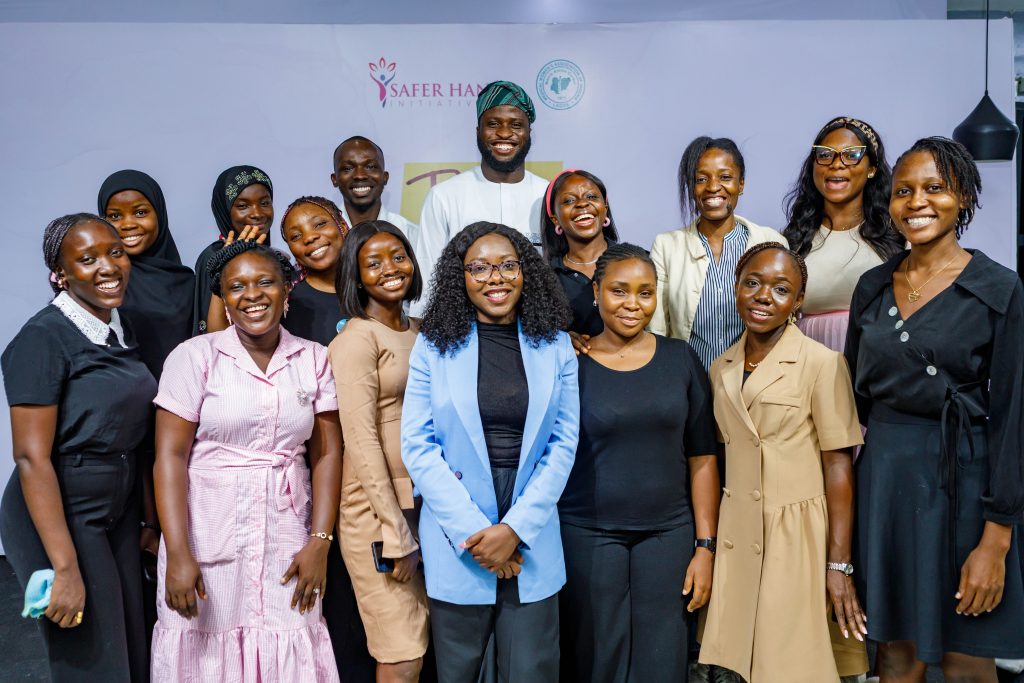
As Safer Hands Initiative closed the day with thanks to sponsors, exhibitors, partners and participants, the organisers framed the summit’s real measure of success not in the numbers filling the room, but in whether the knowledge, connections and partnerships formed there would outlast the day itself.
Editor’s note:
Held on June 4, 2026 in Lagos, the 6th SHI Maternal Health Summit was convened by the Safer Hands Health Initiative (SHI) in collaboration with the Medical Women’s Association of Nigeria, Lagos, Healthcare Analytics Consults (HCA), My Belle, and the Mother and Child Health Foundation. This report was authored by Dr. Ogooluwa Ajiboso.