

Residency training is an important part of the medical and dental career pathway…
Still on the trail of speaking with resident doctors in Nigeria, towards providing insights into their journeys through the residency program and dispelling common misconceptions surrounding this pathway, we interviewed another psychiatry resident based in Lagos State.
Interviewer: Mary O. A. Awoniyi
MM: Can you introduce yourself?
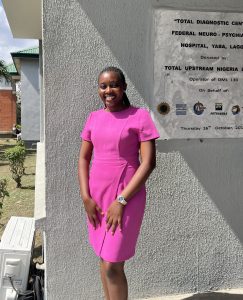
I’m Dr Toriola T.O., a Senior Resident in Psychiatry at the Federal Neuropsychiatric Hospital, Yaba (FNPHY). I started residency in 2023.
MM: What motivated you to pursue a residency program, how did you get into this training specialty and where there any challenges through the application process?
I’ve always wanted to specialize immediately after youth service, with the expectation of career progression. I knew it would be psychiatry after my 500-level posting, because I wanted a specialty that would guarantee a less stressful schedule. Haven been vocal about this, a friend sent me an advertisement for residents at FNPHY. And I wouldn’t say I had any challenges during the application process.
MM: What has been the most challenging part of your residency experience so far and what does your typical day look like?
At the early days, I had problem with the numerous presentations. It’s gotten better as the days progressed, with less anxiety before presentation. A typical day starts with these presentations i.e. hospital presentations like journal club, research class or psychotherapy classes by 8am, followed by unit presentations at 9am. Thereafter, we go on to review patients, run clinics or consultant ward rounds depending on the day.
I try as much as possible to not get overwhelmed by the numerous activities and expectations. The major self-care for me is rest.
MM: How do you balance your clinical responsibilities with academic obligations, research and life in general with during residency? What strategies do you use to stay organized, relaxed and recharged?
Taking them one day at a time. Clinical responsibilities sometimes take a lot of effort leaving little room for academics. A timetable for academics helps so as not to neglect the sole purpose of residency. Hanging out with friends, reading non-academic books and watching movies.
MM: What advice would you give to junior residents who are just starting their programs? What are some essential skills or habits to develop early on?
Balancing Residency for success requires grit, as its challenges can be overwhelming in the early stages, but it gets better with time. Develop a reading culture as the clinical part can make you forget and before you know it, exam is around the corner.
MM: What are some common misconceptions about residency programs that you’ve encountered, and how do you wish people could better understand the experience?
One of the misconceptions is that residency is useless in Nigeria. This is false. There are benefits associated with the training asides the certification, and one of those in my centre is the research opportunities available. However, the training program can only get better, if salaries are made much more appealing with good and adequate accommodation made available for the residents.
MM: So far, how has your residency journey been and how do you see it experience shaping your future career goals and aspirations?
It’s been fulfilling so far as I see career progression with lots of opportunities both home and abroad. For my specialty, residency here in Nigeria is going to help me transition into working as a professional in other countries.
MM: Knowing you are a core member of the ARD in your institution, what inspired this decision and subsequent participation?
I became active in ARD out of a desire to contribute beyond clinical work and to be part of decisions that affect residents. Plus, encouragement from colleagues inspired me to contest for an executive position.

MM: In what ways would you say participating in ARD activities has contributed to your training?
It has helped with my professional growth through enhanced teamwork and communication skills, advocacy experience, networking with senior colleagues, and learning organizational and financial management skills.
MM: What message would you like to convey to potential applicants who may be hesitant or unsure about pursuing a residency program?
Be sure residency is what you want to do and not because others are doing it. It’s important as this is one thing that will help you on those days when you feel like dropping out.
MM: On a scale of 1-10, how would you rate your own residency experience?
I’ll rate it a 5.

MM: Thank you for having us!